
Brian Robson: Story of the Man Who Mailed Himself Home
A teenage boy climbs into a wooden crate the size of a mini-fridge. His friends nail the lid shut. Somewhere over the Pacific, the box is turned upside down — and left that way for nearly a full day.
This isn’t fiction. It’s the true story of Brian Robson, a homesick 19-year-old who tried to mail himself across the world rather than pay for a plane ticket.
By the time his journey ended, he’d have spent 92 hours sealed inside a box not much bigger than himself. Here’s how it happened.
A Ten Pound Pom Who Wanted to Go Home
In 1964, Brian Robson left Cardiff, Wales, for Melbourne, Australia. He’d signed up for an assisted immigration scheme, one of thousands of young Britons lured Down Under with cheap passage and the promise of a fresh start.
He was meant to work for Victorian Railways. Instead, he found himself in a rundown hostel, homesick and miserable almost from the moment he arrived.
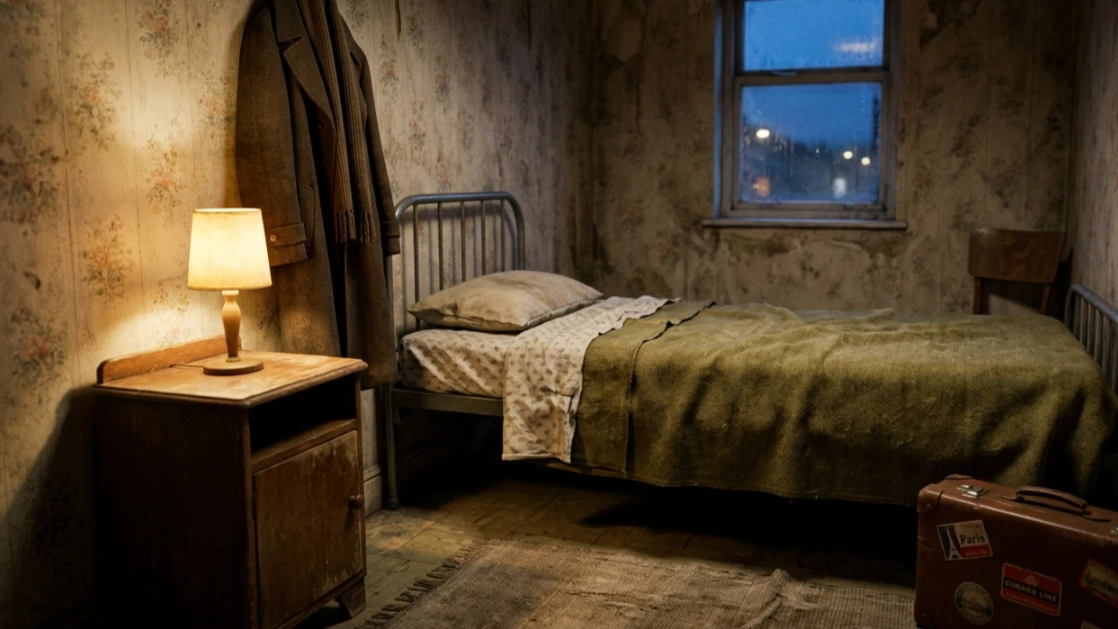
There was just one problem. Under the terms of his assisted passage, leaving early meant repaying around £700 — a debt he had no way of covering on his wages of roughly £40 a month.

A regular flight home was completely out of reach. So Robson started looking for another way.
The Plan No One Should Have Agreed To
Robson found his answer in an unlikely place: the story of Reg Spiers, an Australian javelin thrower who had once shipped himself home from London in a crate.
If Spiers could do it, Robson figured, so could he.
He convinced two Irish coworkers, remembered only as Paul and John, to help him pull off the same stunt. One of them wasn’t fully on board — but eventually, both agreed.

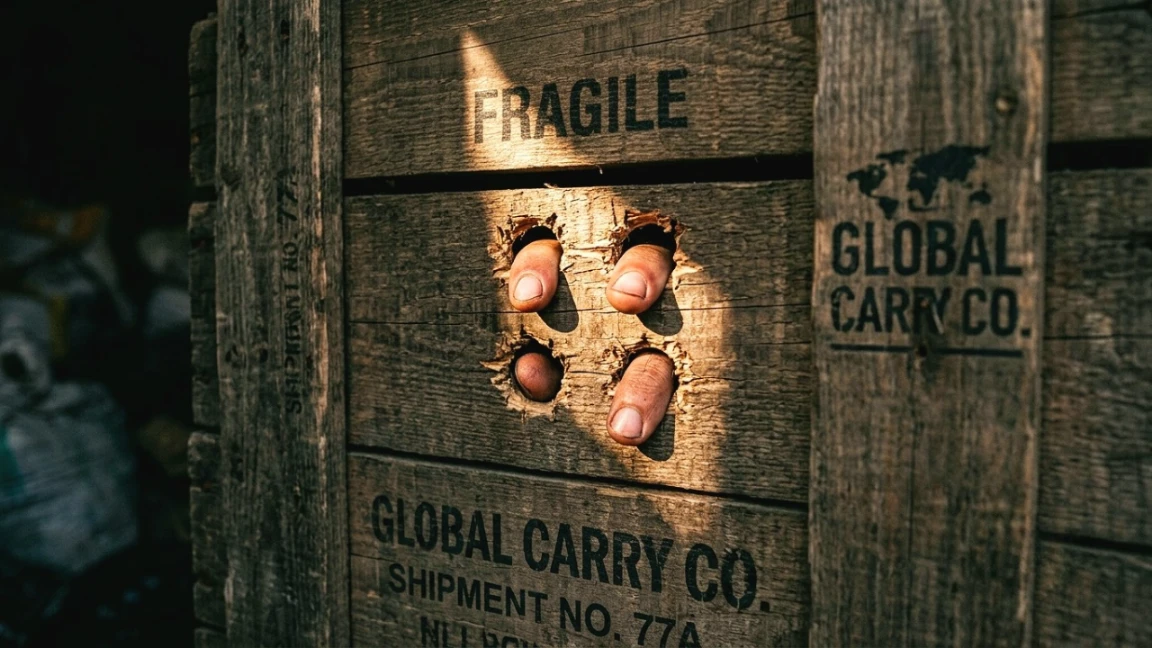
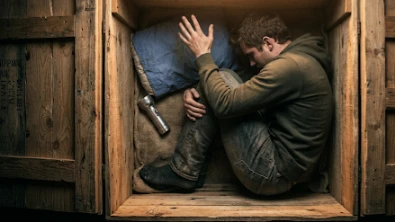
Together, they built a wooden crate roughly 36 by 30 by 38 inches. Inside, they packed a pillow, a flashlight, a litre of water, a hammer to break out if needed, a small suitcase, a book of Beatles songs, and an empty bottle for a very practical reason.
Robson climbed in, folded his knees to his chest, and let his friends nail the lid shut. The crate was booked onto a Qantas flight, labeled as cargo, and sent on its way.
The plan called for a straightforward 36-hour trip to London. Nothing about what followed went to plan.
When the Crate Went Upside Down
Almost immediately, things unraveled. The connecting flight to London was full, so instead of heading straight home, Robson’s crate was rerouted onto a Pan Am cargo flight bound for Los Angeles.
Somewhere along the way, despite being clearly marked, the crate ended up upside down. It stayed that way for around 22 hours.
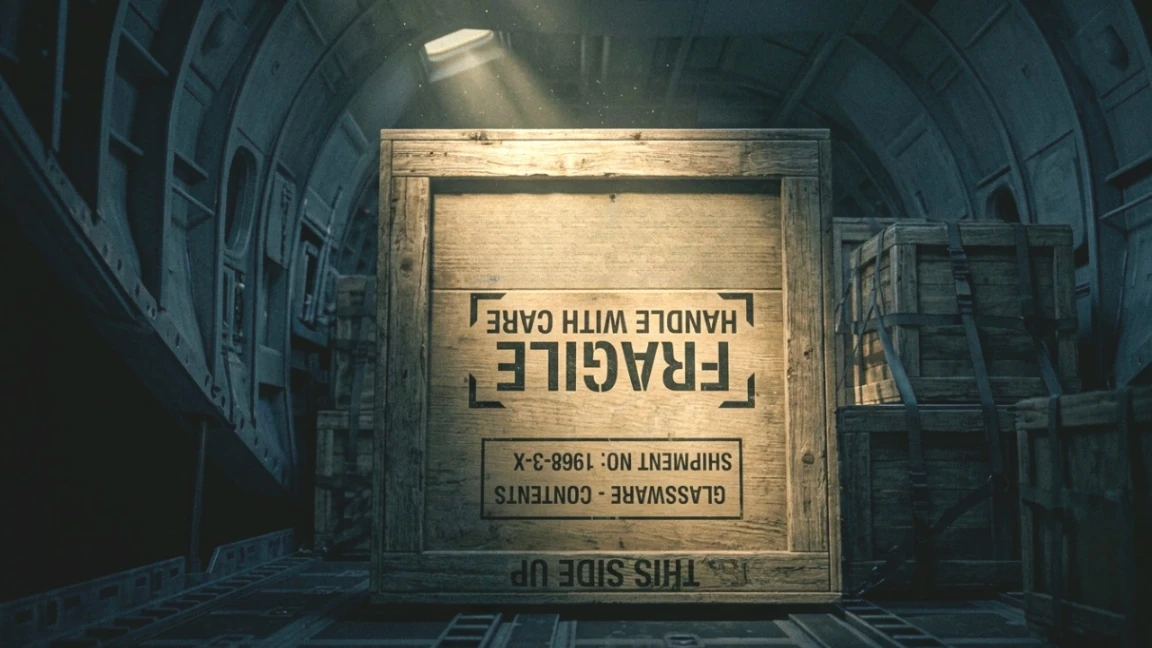
For nearly a full day, Robson was stuck standing on his head inside a sealed wooden box. Blood rushed to his skull. His limbs went numb. He drifted in and out of consciousness, unsure whether he’d survive the flight at all.
What was supposed to be a day-and-a-half ordeal stretched into four days of near-total darkness and silence.
92 Hours, and a Discovery in Los Angeles
In total, Brian Robson spent 92 hours inside that crate. Cold, cramped, and starved of proper air, he had no way of knowing where he even was.
The journey finally ended when ground staff at Los Angeles Airport noticed something wrong with a cargo crate lying on its side. When they pried it open, they found a barely conscious teenager inside.
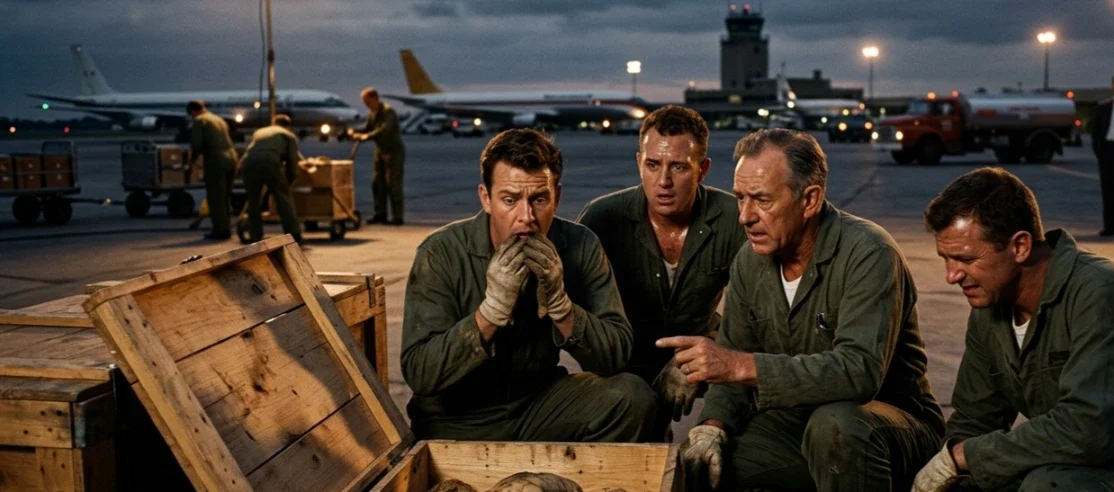
Robson was rushed for medical treatment. The FBI briefly investigated the strange case, but he was never charged. Once he’d recovered, Pan Am flew him home to Britain — this time, right side up, and in a proper seat.

The Surgeon Who Transplanted Goat Testicles to Humans

Why the Brian Robson Story Still Resonates
More than half a century later, the Brian Robson story still gets shared, and it’s easy to see why.
It’s a snapshot of just how far homesickness can push a person. Robson wasn’t reckless by nature — he was a teenager cornered by money he didn’t have and a life he desperately wanted to leave behind.
It’s also a story about luck. If that crate had stayed upside down much longer, or if no one at the airport had noticed it, the outcome could have been very different.
And it’s a reminder that institutions don’t always respond with punishment. Instead of jail time, Robson got medical care and a flight home.
Decades later, Robson wrote a book about the ordeal called The Crate Escape, and has spoken about trying to track down Paul and John, the two friends who helped seal him inside that box in 1965.
Final Thoughts
The Brian Robson story isn’t really about a crate, or even about Australia and Wales. It’s about how far one person was willing to go just to get home.
It was reckless. It nearly cost him his life. But it’s also achingly human — a reminder that “home” is sometimes worth almost any risk to reach.