

The Dark Lobotomy History Behind a Nobel Prize
Lobotomy history began with António Egas Moniz, who introduced the prefrontal leucotomy to address overcrowding in psychiatric hospitals. The procedure gained international recognition and a Nobel Prize despite limited scientific evidence. It aimed to alleviate severe mental health symptoms by severing connections within the brain’s frontal lobes.
American neurologist Walter Freeman later popularized the transorbital lobotomy, a fast method performed outside traditional operating rooms. This practice led to widespread complications, including cognitive decline and personality changes. The eventual development of psychiatric medications and growing ethical concerns effectively ended the era of lobotomy.
An ice pick. A hammer. Ninety seconds per patient.
That was the reality behind one of the darkest chapters in medical history — and the man performing it wasn’t hiding in a back alley. He was touring the country, demonstrating his technique to applauding crowds of doctors.
This is the story of lobotomy history: how a surgery with almost no solid proof it worked won a Nobel Prize, spread across two continents, and left thousands of people permanently changed before anyone stopped to ask if it should.
A Desperate Era, A “Miracle” Surgery
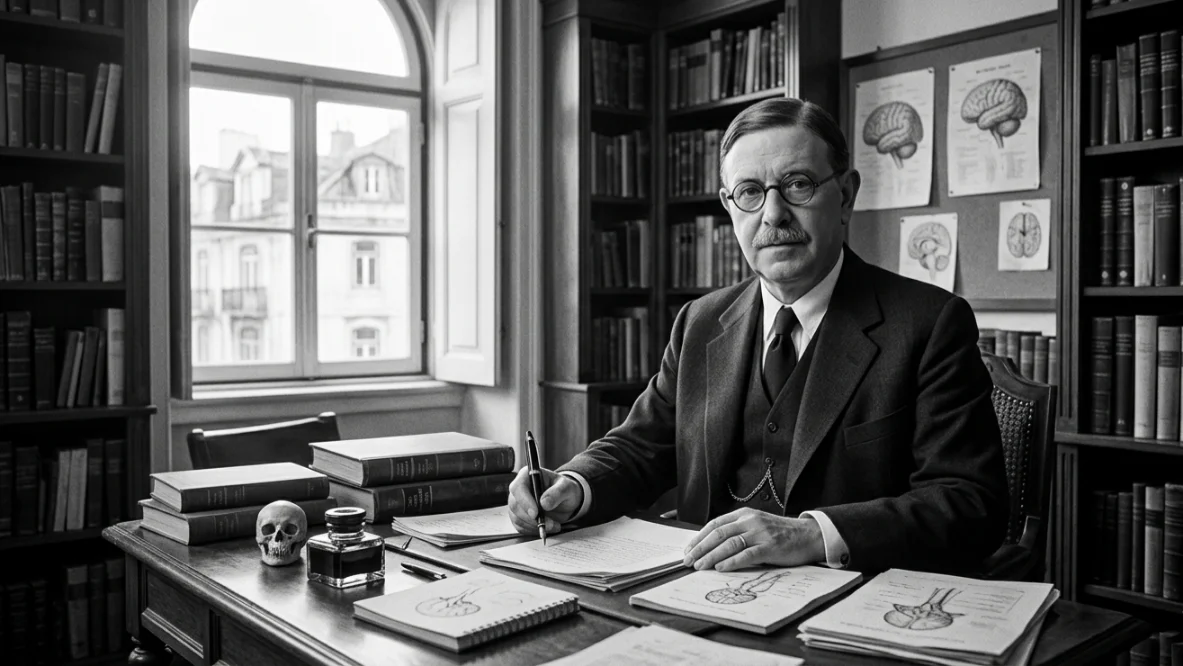
In 1935, Portuguese neurologist António Egas Moniz introduced a radical new procedure called prefrontal leucotomy.
The idea was simple, at least on paper. Cut the connections in the brain’s frontal lobes, and you might quiet the most severe psychiatric symptoms.
At the time, mental hospitals across Europe and the United States were overflowing. Real treatments barely existed. Doctors were desperate for anything that promised relief.
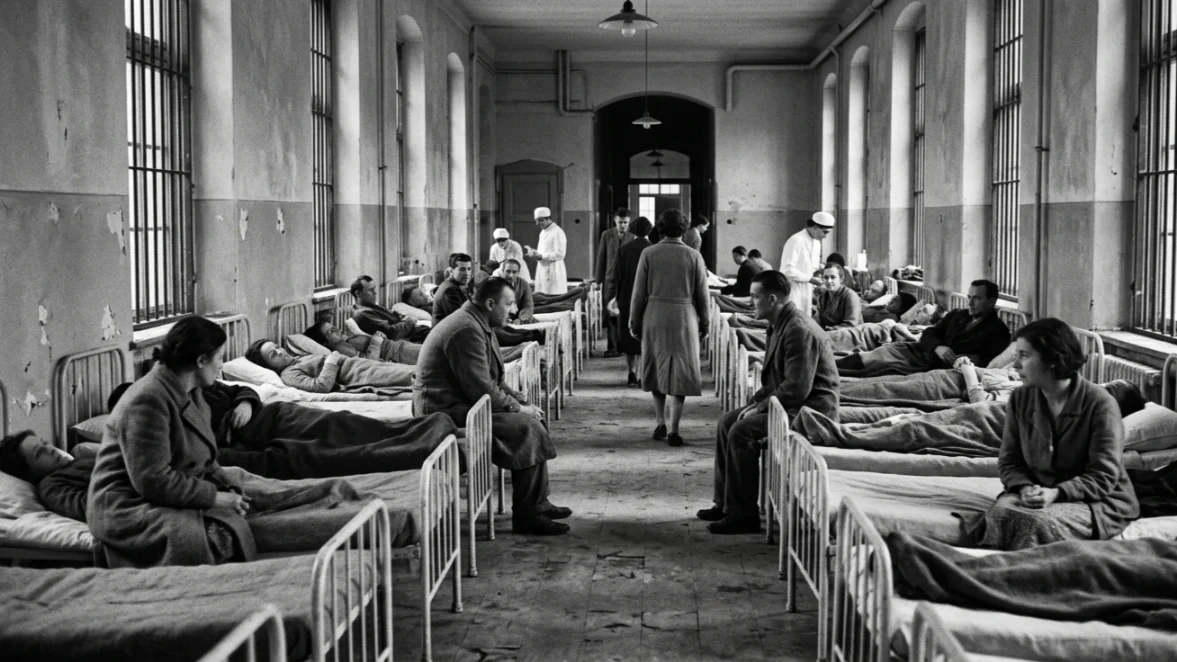
So the operation spread fast.
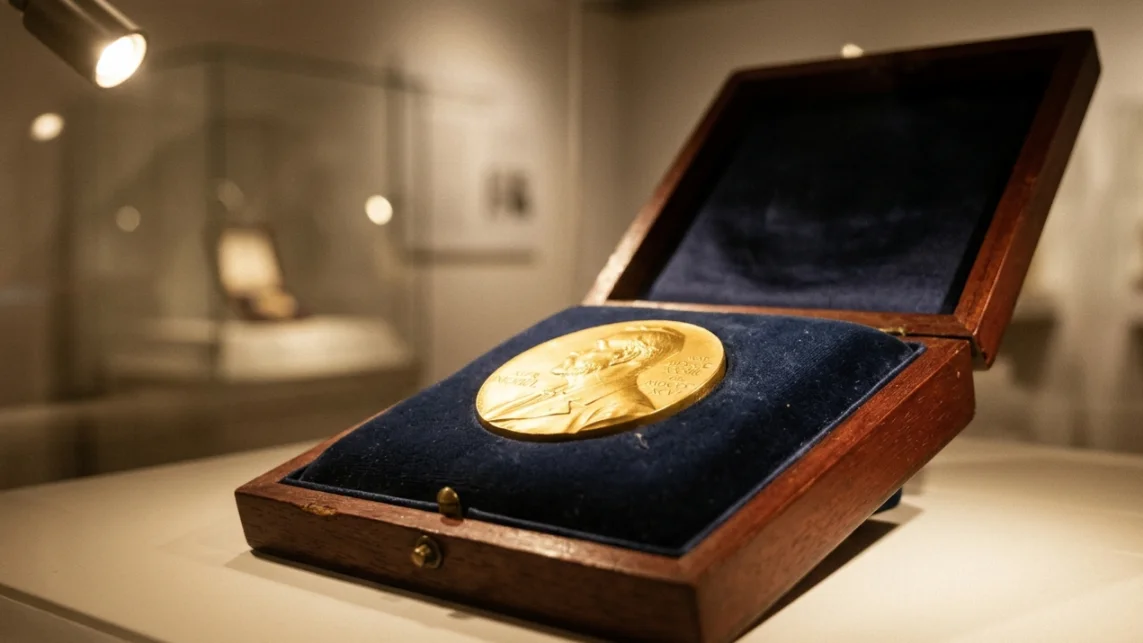
In 1949, Moniz received the Nobel Prize in Physiology or Medicine for his work. However, the evidence behind it was thin, and the risks were severe. Few people paid attention to that part.
Walter Freeman and the Ice Pick That Changed Everything
If Moniz lit the spark, American neurologist Walter Freeman turned it into a wildfire.
After early work alongside neurosurgeon James Watts, Freeman introduced a new version of the surgery in 1946: the transorbital lobotomy.
This time, no operating room was required.
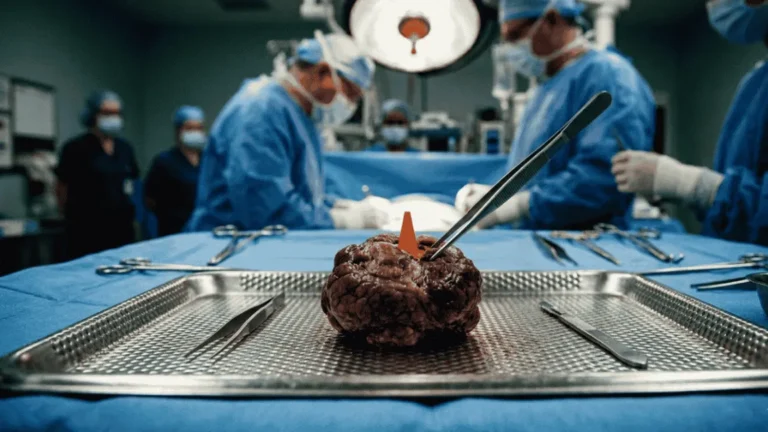
Freeman used a tool shaped like an ice pick, which he called an “orbitoclast.” He slid it under the patient’s upper eyelid, tapped it through the thin bone above the eye socket, and swept it through the frontal lobe tissue.
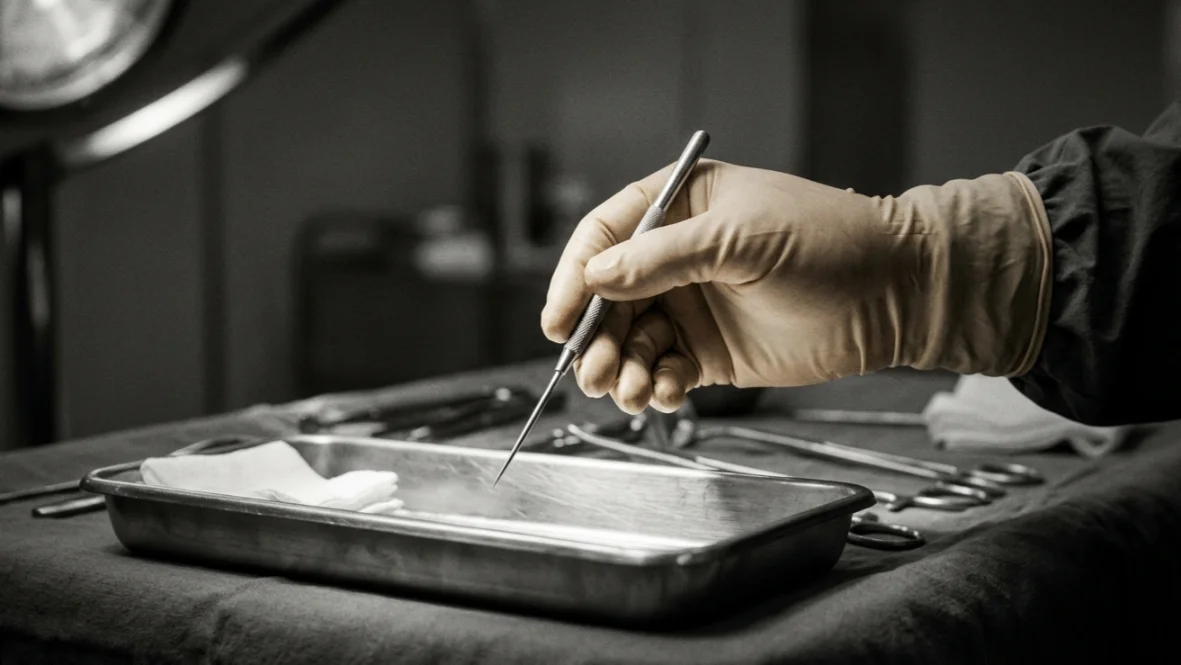
He marketed the procedure as fast and cheap — so simple, he claimed, that it could be done inside a psychiatric hospital without a neurosurgeon or an operating theater anywhere in sight.
Instead of anesthesia, many patients were knocked unconscious with electroconvulsive shock first.
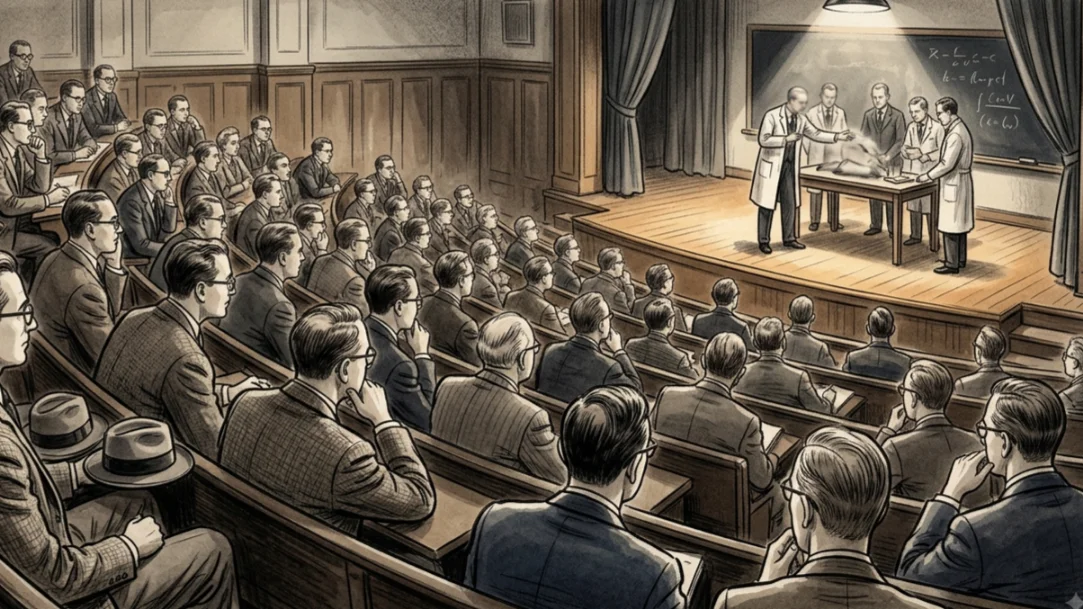
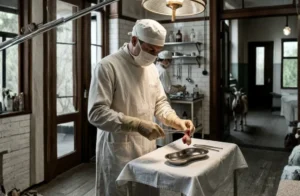
Freeman traveled relentlessly to demonstrate the technique. He personally performed, or directly supervised, thousands of these operations.
The Human Cost Behind the Headlines
Some patients did become calmer. Some were even discharged from institutions that had held them for years.
But that improvement often came at a devastating price.
Documented complications included:
- Seizures
- Bleeding and infection
- Severe cognitive decline
- Emotional numbness and apathy
- Loss of personal initiative
- Drastic personality changes
- Death
As a result, the surgery’s reputation should have collapsed almost immediately. Instead, its use expanded.
Lobotomy wasn’t reserved only for severe psychosis or schizophrenia. Doctors performed it on patients dealing with depression, anxiety, chronic pain, and even behavior that society simply found difficult or unacceptable.
Many of these patients were institutionalized and powerless. In case after case, they underwent surgery without real consent — and often without being told what was actually happening to them.
The Fall of Lobotomy
By the 1950s, the tide had finally turned.
The long-term damage became impossible to ignore. Criticism from within the medical community grew louder. Meanwhile, new psychiatric drugs — chlorpromazine among them — offered a far less destructive alternative.

Because of this shift, lobotomy’s use declined rapidly through the decade.
The Tuskegee Syphilis Study: A Dark Chapter in Medical History

Why Lobotomy History Still Matters Today
Today, lobotomy history stands as one of medicine’s clearest warning signs.
It’s a story of weak evidence, incomplete consent, and medical authority used against people who had no power to refuse.
Above all, it shows how a treatment celebrated as progress can quietly become a tragedy — the moment speed, publicity, and institutional convenience are allowed to outrun science, ethics, and basic respect for the patient in front of you.
That lesson didn’t expire with the last lobotomy ever performed. It’s exactly why this history still deserves to be told.