
Inside the Ghotki Train Accident: Heroes Without Uniforms
On June 7, 2021, two trains collided near Daharki, Pakistan, resulting in a significant rail disaster. Local resident Ali Nawaz and his family served as immediate first responders, using personal vehicles to transport the injured. They also provided food, water, and shelter to survivors and professional rescue teams.
The collision claimed at least sixty-three lives and injured over one hundred people. Investigations identified poor track maintenance as the cause, leading authorities to hold twenty-seven railway officials accountable. The event highlights the critical role of nearby residents in providing humanitarian aid during large-scale emergencies.
A deafening blast tore through the night. Some villagers thought it was an earthquake. Others feared a bomb had gone off.
Nobody expected what Ali Nawaz found when he stepped outside his home that night.
There were no bombs or an earthquake. What lay ahead of him was something far harder to process — twisted train coaches, scattered families, and cries for help echoing into the darkness.
This is the story of the Ghotki train accident, one of Pakistan’s deadliest rail disasters. But it’s also the story of one ordinary family who, without any training or equipment, became the first line of rescue that night.
The Night One Family Became Humanity’s Shield
The date was June 7, 2021.
Near Daharki, in Sindh’s Ghotki district, the silence of the night was ripped apart by a sound so violent that doors flew open across nearby homes.
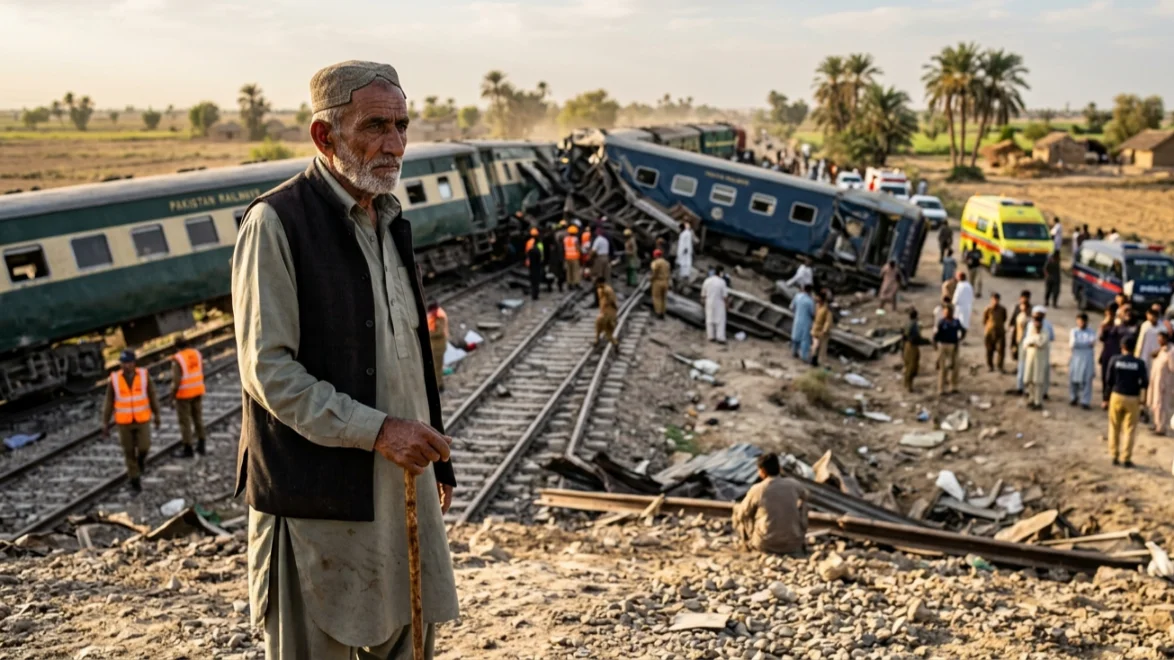
This was no ordinary noise. It was the sound of the Millat Express and the Sir Syed Express colliding in one of the country’s worst railway tragedies.
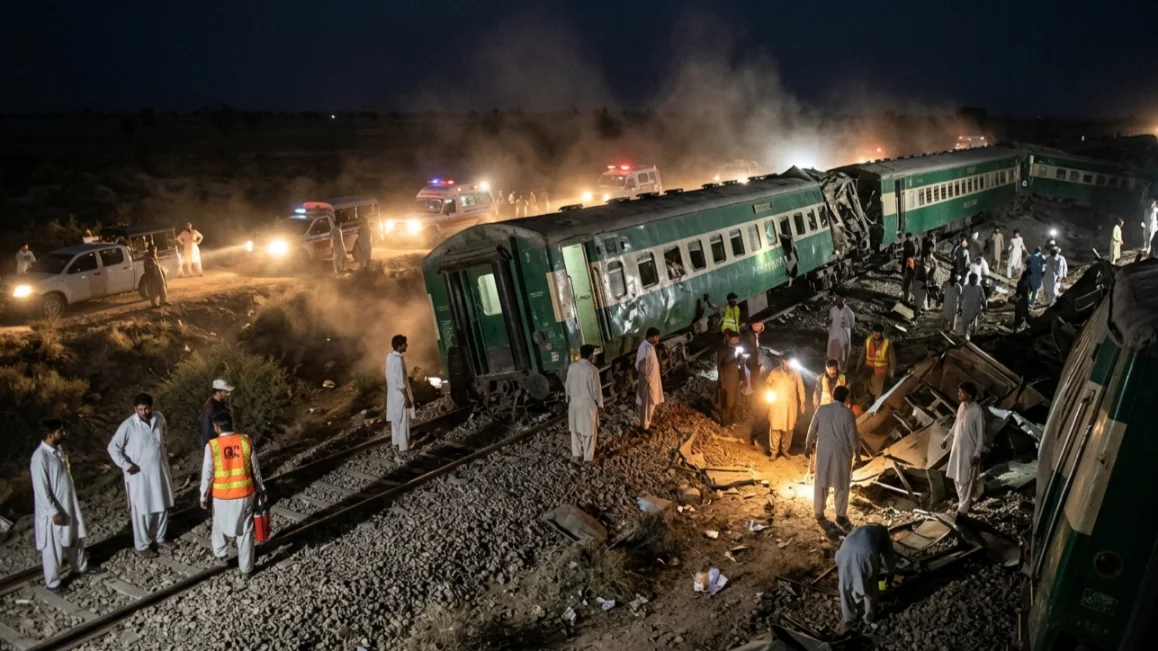
63-year-old Ali Nawaz lived roughly 500 meters from the tracks. He and his family bolted awake, startled by the blast.
None of them yet knew that, moments earlier, dozens of families’ lives had been shattered.
Ali Nawaz gathered his household and ran toward the wreckage. As they got closer, the screams grew louder.
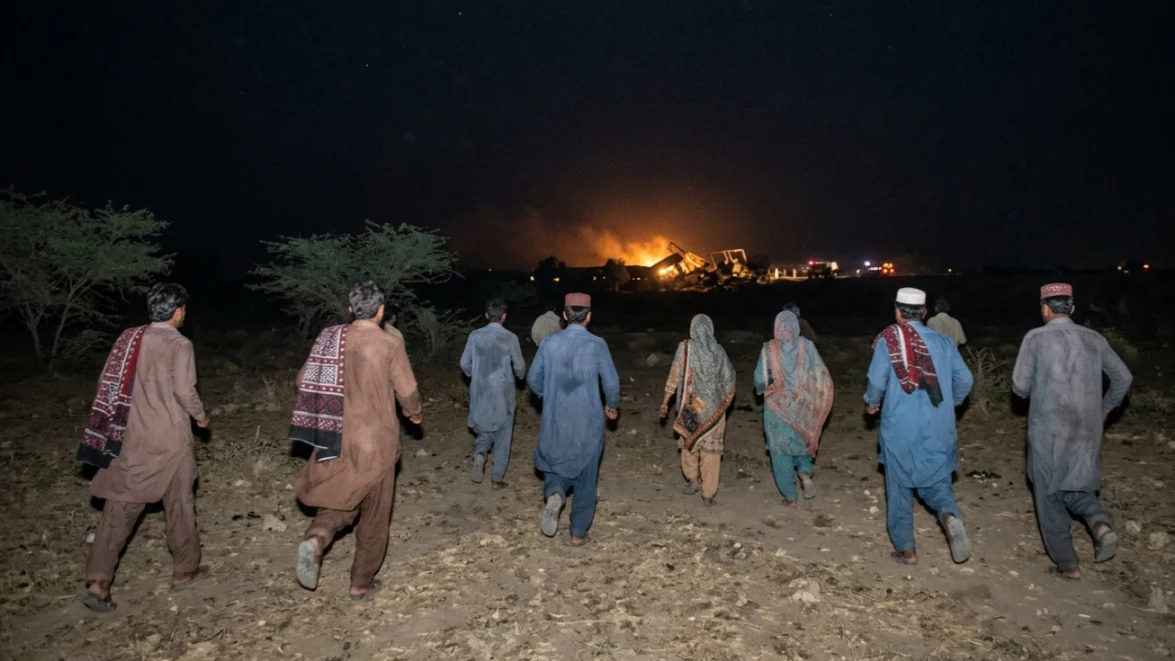
“Help me!”
“Get me out!”
“Someone, please, look for my children!”
In the darkness, mangled coaches came into view. Twisted metal, shattered glass, injured passengers, and chaos filled the air in every direction.
That’s when Ali Nawaz made what may have been the biggest decision of his life: he wasn’t going to wait for anyone else to act.
When Waiting for Help Could Mean Death
The crash site sat in a fairly remote stretch of track. Roads were poor, mobile signals were weak, and modern rescue equipment was nowhere close.
However, the injured didn’t have time to wait.
Around a dozen members of Ali Nawaz’s extended family jumped into action immediately.
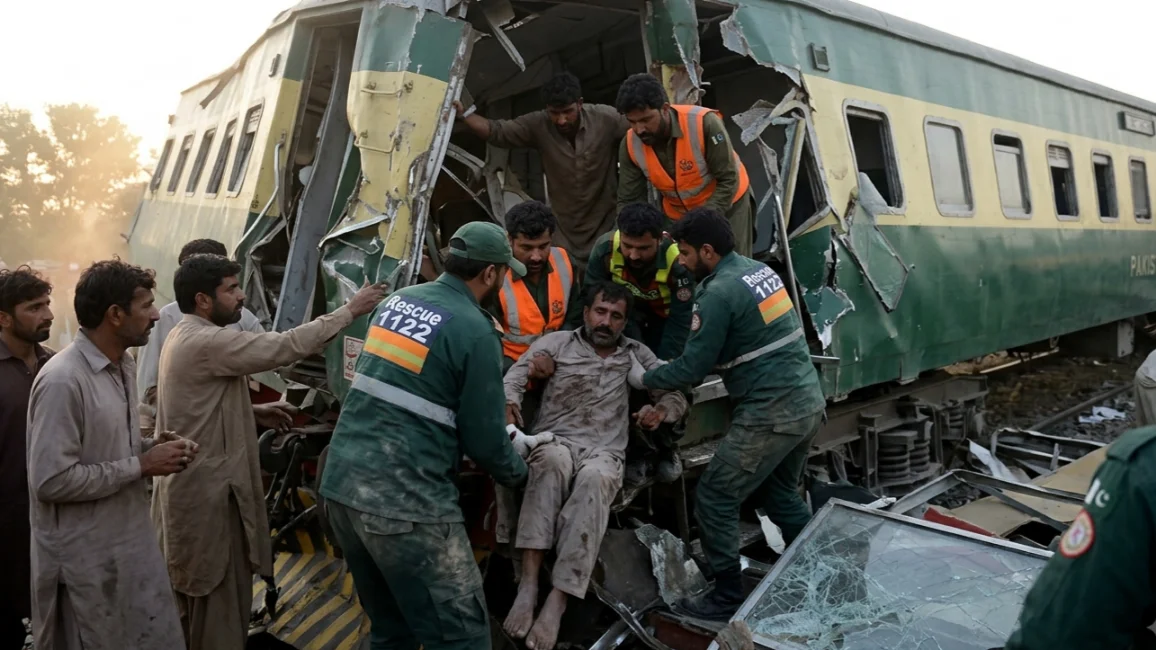
Some climbed into the wrecked coaches. Others pulled the injured out. A few grabbed their own vehicles and raced toward the hospital, while others brought out a tractor-trolley to move more survivors. Meanwhile, some family members carried water to the wounded.
For those few hours, this was no longer just a home. It had become an unofficial rescue center.
The most critically injured were loaded into cars and rushed to hospitals, while others were carried out on tractor-trolleys.
Yet amid the chaos came a devastating moment. The first injured woman driven toward the hospital, in a car belonging to Ali Nawaz’s cousin, died along the way.
It was a moment that could have broken the resolve of anyone helping that night.
Instead, the family kept working.

Searching for Life in the Wrecked Coaches
Several coaches derailed in the crash, and some were crushed almost beyond recognition.
People were trapped inside. Some were injured. Some were unconscious. Others called out for missing loved ones in the dark.
Local villagers and Ali Nawaz’s relatives climbed onto the wreckage. Using nothing but their bare hands and whatever tools they could find, they pulled survivors free — often at the edge of their own strength.
Train seats and benches became makeshift stretchers, carrying the wounded to safer ground.
For those who hadn’t survived, the family still made sure their bodies were treated with dignity, covering them with sheets and cloth wherever they could find them.
This wasn’t a scene from a film. It was a real night in Pakistan’s history.
But the Story Doesn’t End Here
By this point, the men were fully occupied at the crash site. Meanwhile, a quieter rescue operation was unfolding back at Ali Nawaz’s home.
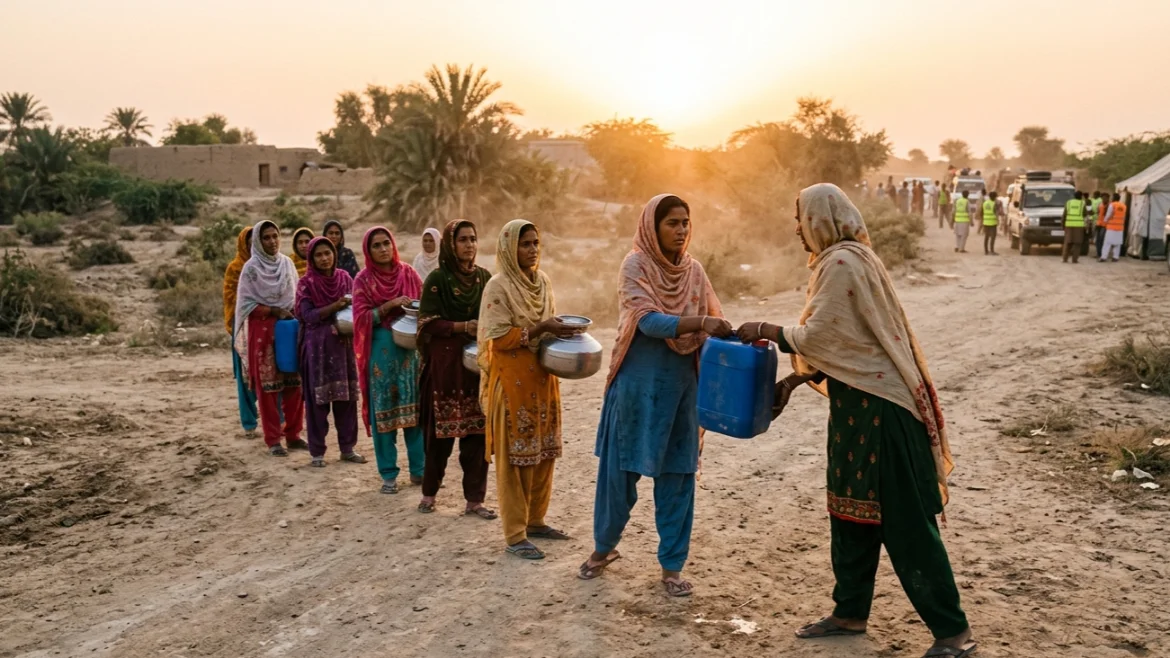
The women of the household took charge of getting water to the site.
In the punishing heat, they filled containers at home and passed them hand to hand, forming a human chain that stretched toward the wreckage.
The injured were desperate — for water, for tea, for food, and for anyone who could simply tell them they weren’t alone.
Habiba Mai’s Stove Burned All Night
Ali Nawaz’s wife, Habiba Mai, took over the kitchen.
She began making flatbread. Then more food. Then tea — for the injured, for their relatives, and later for the rescue workers who eventually reached the site.
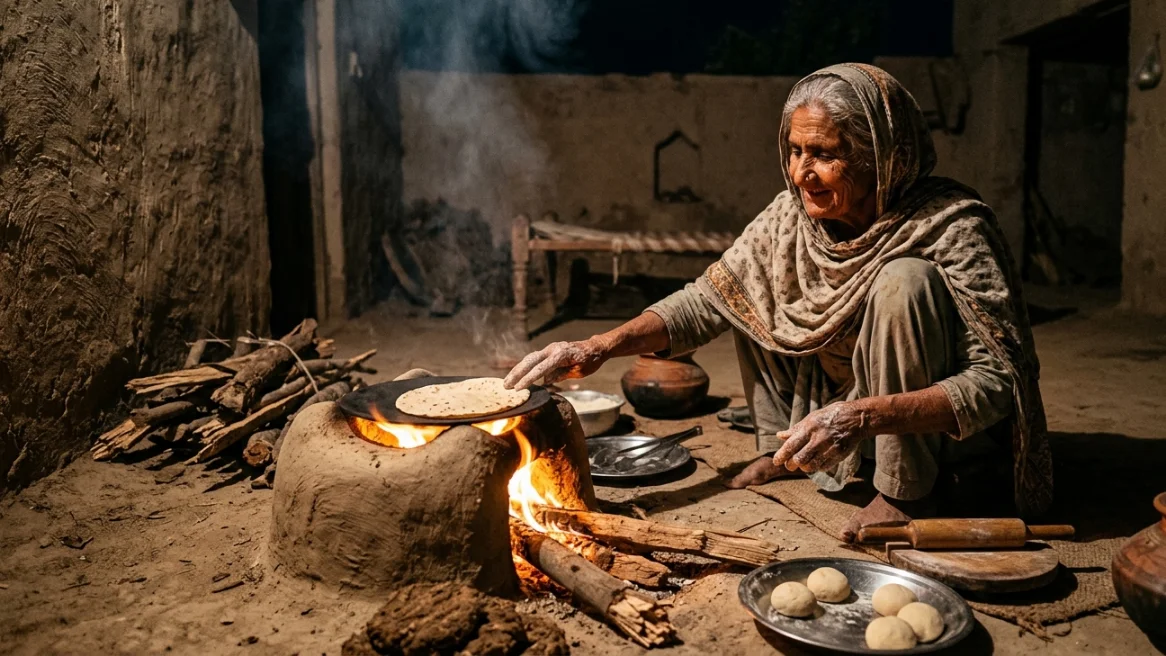
Hours of nonstop work near the stove left her fingers affected, but she never stopped. She seemed to understand something simple: if people outside were fighting for their lives, someone inside needed to give them the strength to keep going.
A Woman Arrived With Her Three Children
The next morning, an injured woman reached Ali Nawaz’s home with her three children.
Her face was covered in dust and her clothes were soaked with dirt. Her children were terrified, and she had no shoes on her feet.
When Habiba Mai saw her, she may have seen a daughter of her own. She washed the woman’s face and milked her own cow to feed the child.
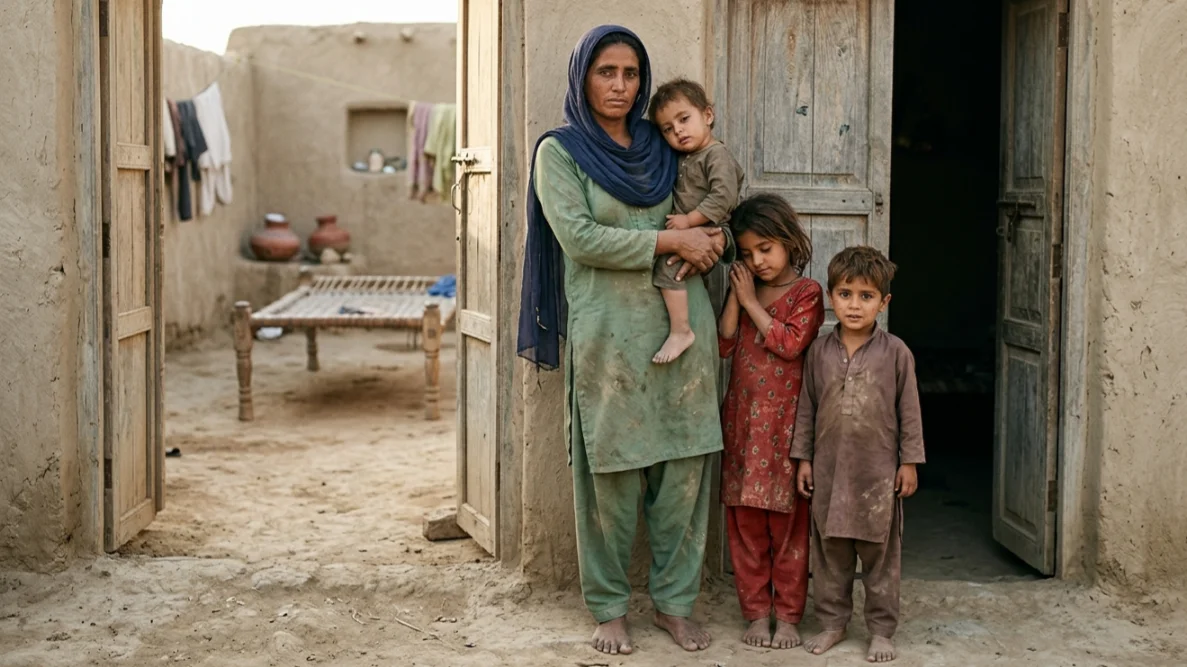
Then she noticed the woman’s bare feet.
What Habiba Mai did next may be the most striking image from that entire night.
She took off her own shoes and passed them to the woman, asking or expecting nothing in return. It never even crossed her mind to wonder who the stranger was.
She simply understood one thing: this woman needed help right now.
When Rescue Workers Arrived, This Home Became Their Support Too
Eventually, military personnel and other rescue teams reached the area.
Cots were laid out under neem trees outside Ali Nawaz’s home. As a result, the same family that had spent hours pulling survivors from wreckage now fed and served tea to the professional rescuers working alongside them.
One army officer, recognizing the family’s efforts, gave them a reward of 50,000 rupees.
But consider this: could any amount of money truly repay that night?
Probably not. Because this family hadn’t just given money. They gave their time, their vehicles, their tractor, their water, their food, their milk, their shoes, and even their sleep.
When One Ship Stopped the World: The Ever Given Suez Canal Crisis
Tragedy on One Side, Humanity on the Other
The Ghotki train accident claimed the lives of at least 63 people, according to Pakistan Railways, and injured well over 100 more.
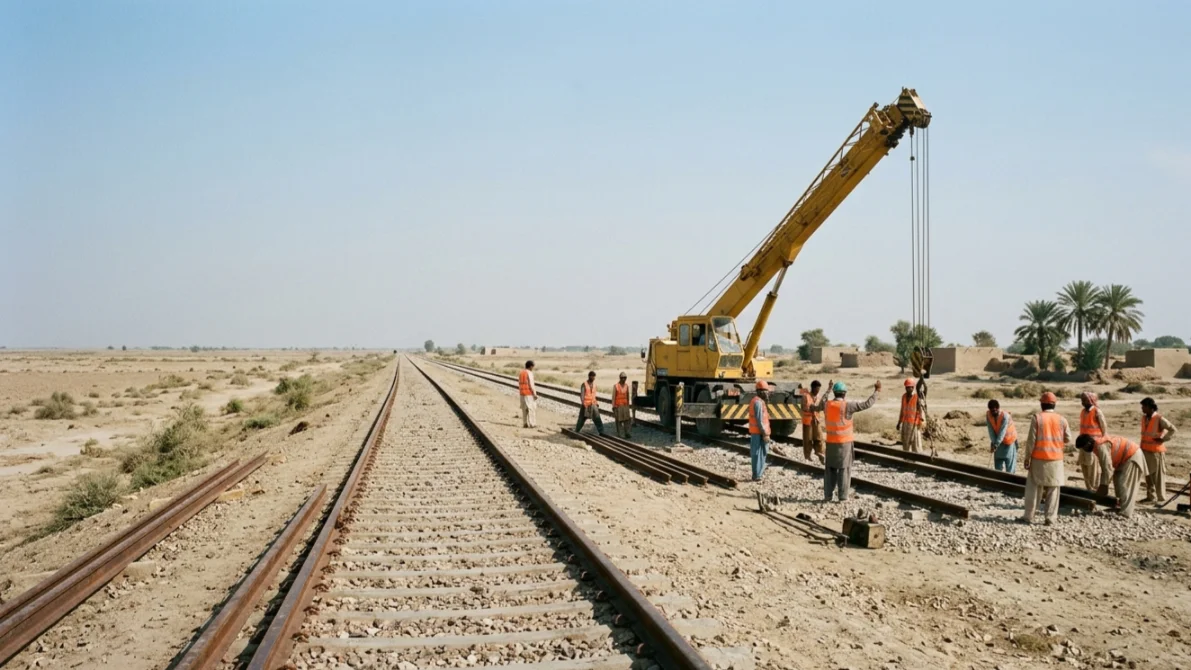
Subsequent investigations pointed to poor track maintenance as the underlying cause of the derailment that triggered the collision. Pakistani authorities later held 27 railway officers and officials accountable following a formal inquiry.
Yet history remembers something else about that night too: an ordinary family that did something extraordinary.
Ali Nawaz held no government post, no rescue uniform, and no advanced machinery.
He had only what any human being can have: a heart that understands pain.
Perhaps that’s exactly why, while the fight between life and death played out inside twisted steel coaches, one small house became a source of hope for hundreds of people that night.
What This Story Tells Us
In major disasters, the heroes aren’t always the ones we expect.
Sometimes it’s just an ordinary farmer. Other times it’s a mother, a son, a stranger, or a small house in a quiet village.
That night, Ali Nawaz’s family never asked anyone, “Who are you?”
They only asked, “What do you need?”
And perhaps that’s the most beautiful definition of humanity there is.
Final Thoughts
The Ghotki train accident remains one of Pakistan’s darkest railway tragedies, a night marked by loss, chaos, and preventable failure.
However, it’s also remembered for something else: proof that compassion doesn’t wait for permission, equipment, or a job title.
Long after the wreckage was cleared and the investigations closed, the story of Ali Nawaz’s family still stands as a quiet reminder that kindness, offered without hesitation, can outlast even the worst of tragedies.